
Summary: Most CRMs drift into fiction one deal at a time. Reps replace buyer quotes with optimistic summaries, neutral signals get upgraded to positive ones, and by end of quarter the forecast no longer matches reality. Honest sales call recaps fix this by capturing what the buyer actually said, not what the rep hoped they meant. CraftNote automates this with bot-free recording, structured AI summaries in 100+ languages, persistent Speaker Memory, and automatic sync to HubSpot, Salesforce, and Attio, so your pipeline stays grounded in evidence instead of vibes.
How CRMs Turn Into Fiction
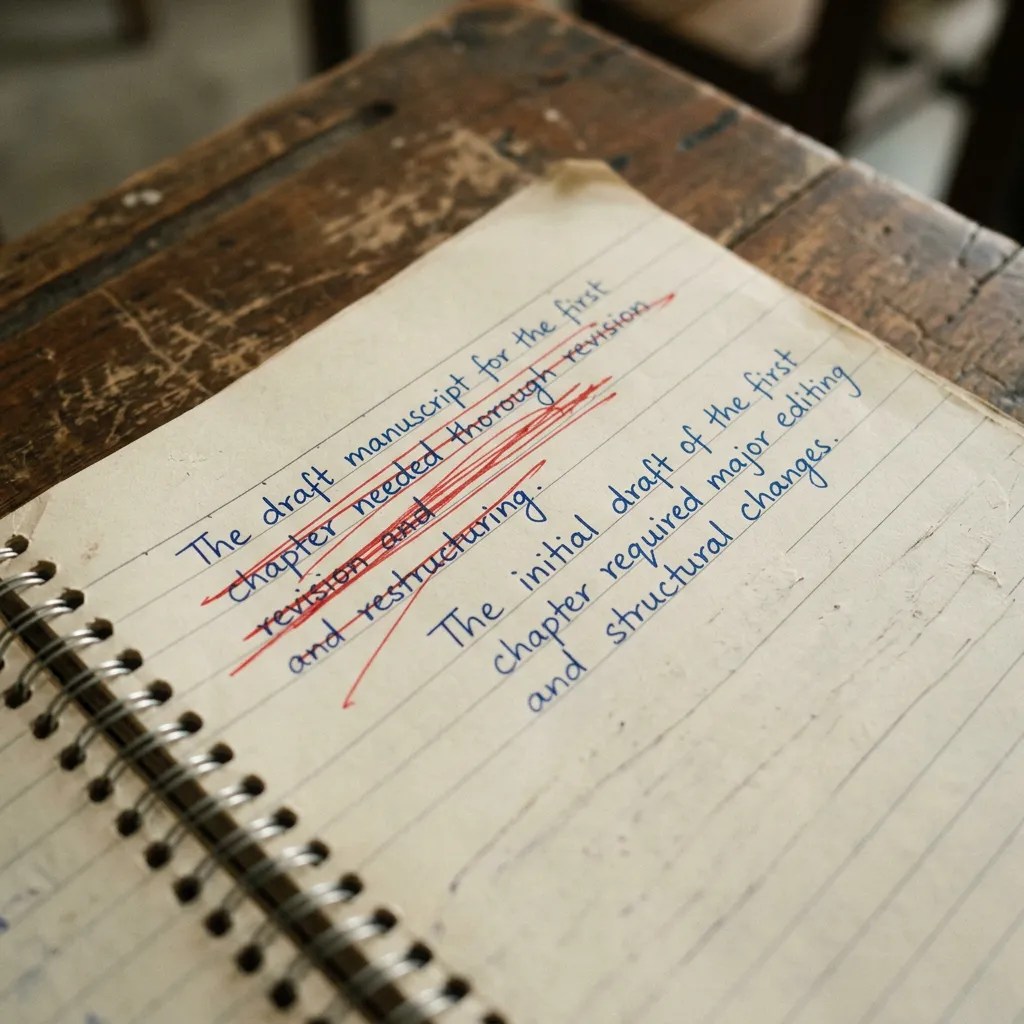
Walk into any sales org and pull up the pipeline. Most of what you see is not a record of facts. It is a record of hope, memory, and pressure. "Strong buying intent." "Looking positive." "Close to decision." These are interpretations stacked on interpretations, rarely traceable back to anything the buyer actually said.
It happens gradually. A rep comes off a call and has twenty minutes before the next one. They open the CRM, pick the most optimistic reading of an ambiguous conversation, and type it in. Multiply that by thirty reps and hundreds of calls a week, and within a quarter your entire pipeline is built on a soft foundation.
Then end of quarter arrives. Three "strong" deals disappear because they were never strong. The CRO confronts a gap between the forecast and the bank account, and nobody can point to exactly where the picture diverged from reality, because the conversations themselves were never captured.
The fix is not better discipline. It is better infrastructure. When every call is recorded and every recap is generated from the exact wording, not from memory twenty minutes later, the pipeline stops drifting.
The Anatomy of an Honest Sales Recap
An honest recap is short, boring, and useful. It documents the six things every deal lives or dies on, in the buyer's own language, with no editorializing.
1. The Stated Problem
In the buyer's words. If they said "our reporting is manual and messy," that is the line. Not "struggling with reporting workflow." Keep the phrasing intact.
2. Budget Signal
Is there budget, is there not, does it need approval, is it already allocated? If the buyer said "tight this quarter," write tight this quarter. Do not translate it into "budget likely available next quarter."
3. Decision Process
Who signs off. Whether finance, procurement, or leadership needs to review. Any formal steps mentioned. If the buyer said "we need to run this past finance," that is a fact, not a minor hurdle.
4. Timeline
Specific dates when given. "Next month" stays as next month. "No set timeline" stays as no set timeline. Do not invent urgency that was not expressed.
5. Competitors Named
If other vendors came up, they go in. Cleanly. Without commentary about whether the buyer prefers you.
6. Agreed Next Steps
Who is doing what, by when. If no next step was agreed, that is also a valid entry and a signal in itself.
A recap that covers these six cleanly gives the next person who touches the deal — a manager, a solutions engineer, a customer success lead, or future-you — a factual starting point instead of a second-hand impression.
Where Reps Drift From Facts Into Feelings
The drift is not dishonesty. It is human. A few predictable patterns account for almost all of it.
Pattern matching from past wins. A rep once won a deal that sounded lukewarm for weeks. Now every neutral signal feels secretly promising. The past colors the present in ways the rep does not consciously notice.
Forecast pressure. The number is due Friday. The manager wants an answer. Ambiguity gets resolved in whichever direction keeps the deal on the board. "We need to think about it" becomes "they are interested."
Memory compression. By the time a rep types the recap, they have been in two other calls. The exact phrasing around risk and hesitation has softened. What remains is the vibe, the jokes, and a general sense of how it went.
Confirmation bias on signals. "Send over some information" feels like momentum. It usually is not. Recorded recaps make the gap between "they asked for information" and "they are moving forward" obvious in a way live note-taking does not.
None of this is solvable by asking reps to try harder. It is solvable by removing the gap between what was said and what gets written down.
What RevOps Loses When Recaps Get Sloppy
Sloppy recaps damage more than forecasts. They corrode every downstream system that depends on pipeline data being honest.
Forecasting accuracy. If neutral signals are getting upgraded to positive ones across the team, the forecast is systematically optimistic. RevOps applies a haircut, but the haircut is itself a guess. Real recaps collapse the need for guesswork.
Coaching quality. Managers cannot coach what they cannot see. A subjective recap tells them a rep "handled budget well." A transcript tells them exactly how the budget conversation went, where the rep pushed, and where they backed off. One of these produces better reps. The other produces plausible-sounding feedback.
Handovers to customer success. The CS team inherits the rep's interpretation, which may or may not match what the customer actually agreed to. Kickoff calls that start with "oh, we thought this was included" almost always trace back to a recap that softened a qualifier the buyer actually stated.
Deal accountability. When a deal slips, the post-mortem is only useful if there is a factual record. Without recordings and honest recaps, every post-mortem is a memory contest nobody wins.
Data quality for AI. Increasingly, sales orgs are feeding CRM data into AI tools for scoring, forecasting, and enablement. Garbage in, garbage out applies here with unusual force. A CRM full of interpreted signals trains models to predict interpretations, not outcomes.
How CraftNote Keeps Recaps Honest

CraftNote closes the gap between what happens on the call and what ends up in the CRM.
- Bot-free recording. CraftNote captures audio directly from your device microphone and system audio. No bot ever joins the call, no extra participant appears on the list, and the buyer never feels like they are being recorded by an unfamiliar entity. It works with every video conferencing tool because it operates at the system level rather than integrating with a specific app.
- Full transcripts in 100+ languages. Word-for-word transcripts organized by speaker with timestamps. Persistent Speaker Memory means once you identify a voice, CraftNote recognises that person in every future meeting automatically, without re-training.
- Structured AI summaries from what was said. Not what the rep hoped was implied. Not what they reconstructed twenty minutes later. The words that were actually spoken, organised into an executive summary and a topic-by-topic breakdown, with action items extracted and ready to assign.
- Automatic CRM sync. Notes flow into HubSpot, Salesforce, Attio, Notion, Google Docs, OneNote, and Asana, so the CRM reflects reality without copy-paste.
- Ask AI across every meeting. Need to check what a buyer said about budget six weeks ago? Chat with CraftNote about any meeting and get instant answers, or search across all meetings at once.
- Summary to Podcast. Between client visits, replay your meeting summaries as podcast-style audio instead of re-reading notes.
- EU-based, GDPR compliant. Data is stored on EU servers in Frankfurt, encrypted with AES-256 in transit and at rest, audio files are permanently deleted after transcription, and meeting data is never used to train AI models.
An honest recap does not replace good selling. Reps still need to ask about budget, clarify the decision process, and confirm next steps out loud. CraftNote just captures what happens with accuracy and structure, and stops the pipeline from drifting into fiction between the call and the CRM.
FAQs
What is the difference between a sales recap and a meeting summary?
A recap is a short, decision-grade record of a sales call focused on budget, timeline, decision process, competitors, and next steps. A meeting summary is a broader overview of topics discussed. Recaps are what reps need for CRM hygiene; summaries are what participants need to remember what happened.
How do I stop reps from writing interpreted recaps?
Remove the gap between the call and the recap. When the recap is generated from the actual transcript, not from the rep's memory twenty minutes later, interpretation has nowhere to creep in. Tools like CraftNote handle this automatically.
Is it legal to record sales calls?
Consent laws vary by jurisdiction. Best practice is to inform participants at the start of the call or send a consent notification in advance. CraftNote supports automated consent emails 24 hours before recorded meetings.
Will an AI recap capture nuance?
It captures what was said, not what was felt. If nuance was expressed in words, it appears in the transcript. If nuance was purely tonal, the rep can add a Scratchpad note. The point of an objective recap is not to capture vibes, it is to capture facts.
How does CraftNote handle sensitive deal data?
Data is stored on EU servers in Frankfurt with GDPR compliance. Recordings are encrypted with AES-256 both in transit and at rest. Audio files are permanently deleted after transcription, and nothing is used to train AI models.
Stop Writing CRM Fiction
Bot-free recording, structured AI summaries, full transcripts in 100+ languages, and automatic CRM sync. Download CraftNote and keep your pipeline grounded in evidence.
Turn this into action with CraftNote
Record meetings and lectures, then get AI transcripts, summaries, and action items — right in your browser.
Try CraftNote free